COWHA Advances Women’s Health Priorities Through Strategic Engagements in Addis Ababa
Addis Ababa, Ethiopia | August 2026
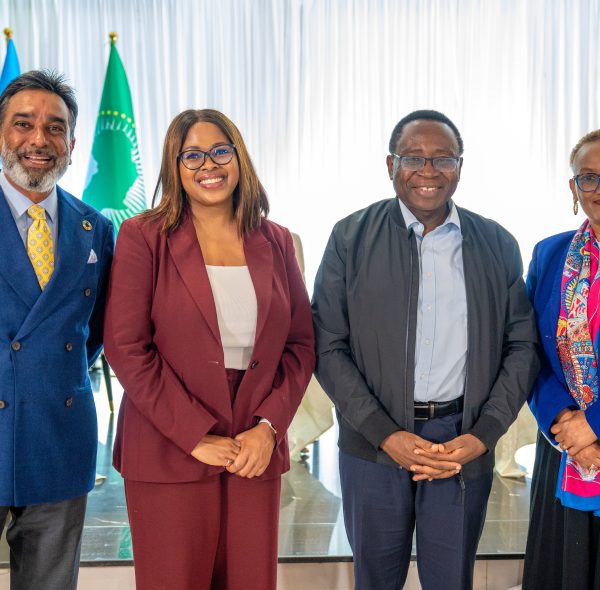
The Coalition for Women’s Health in Africa (COWHA) advanced women’s health priorities through a series of strategic engagements in Addis Ababa, bringing women’s health into broader conversations on resilient health systems, sustainable financing and private-sector engagement.
Across high-level forums and stakeholder discussions, COWHA reinforced the need for greater investment, stronger accountability and coordinated action to ensure women and girls across Africa can access quality health services.
Making Women’s Health a Systems Priority
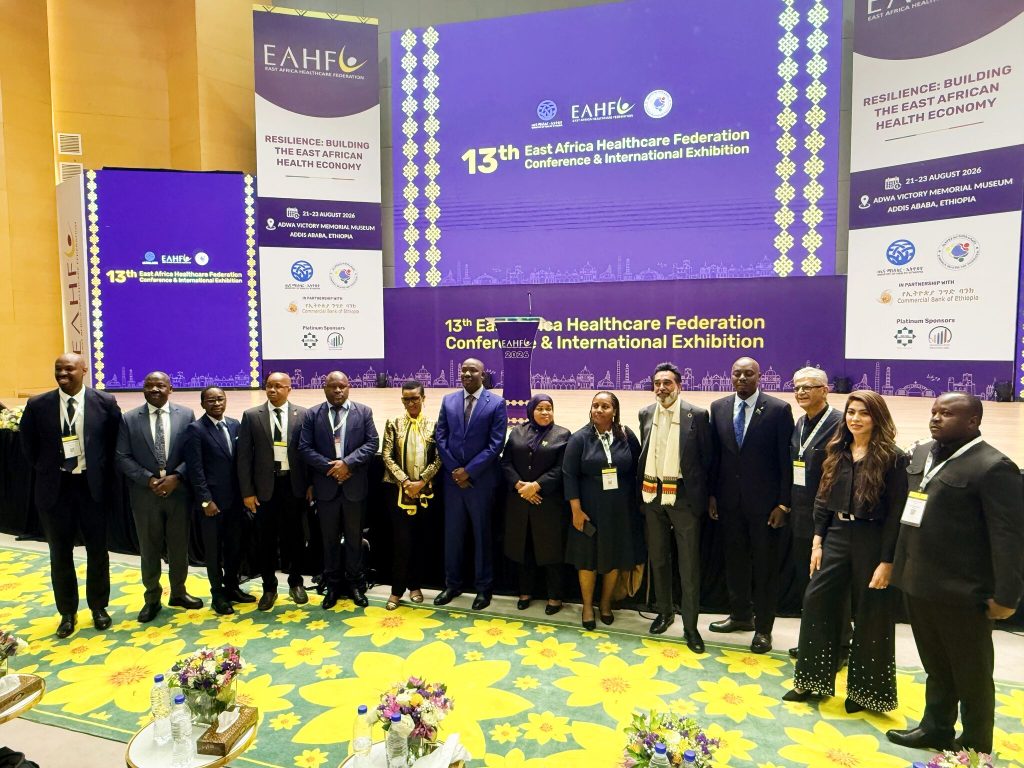
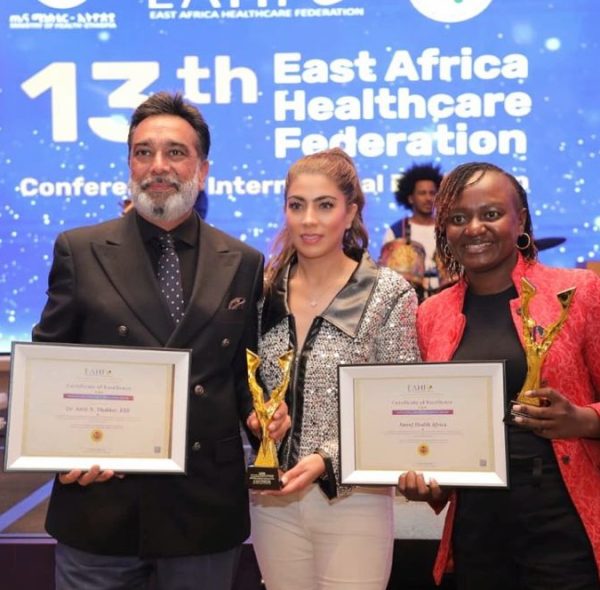
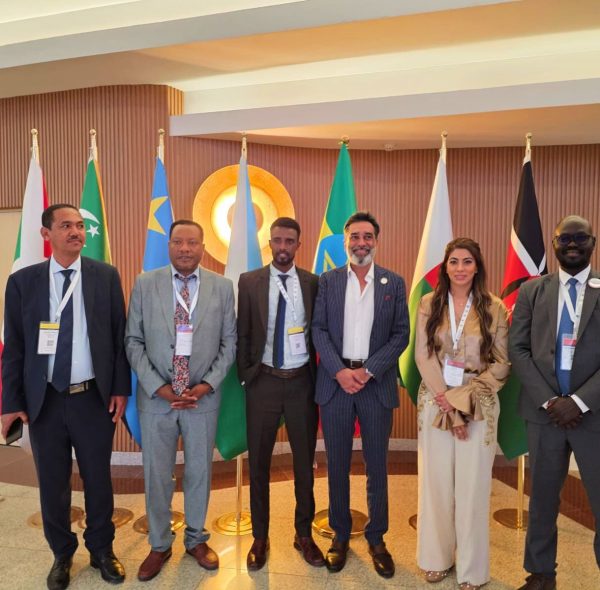
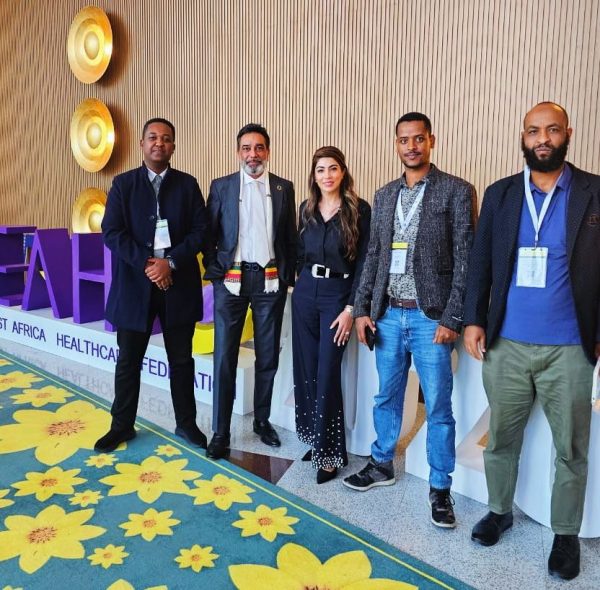
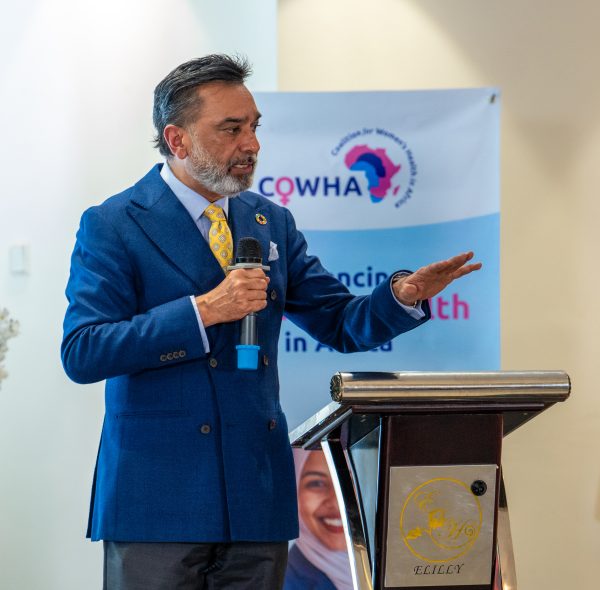
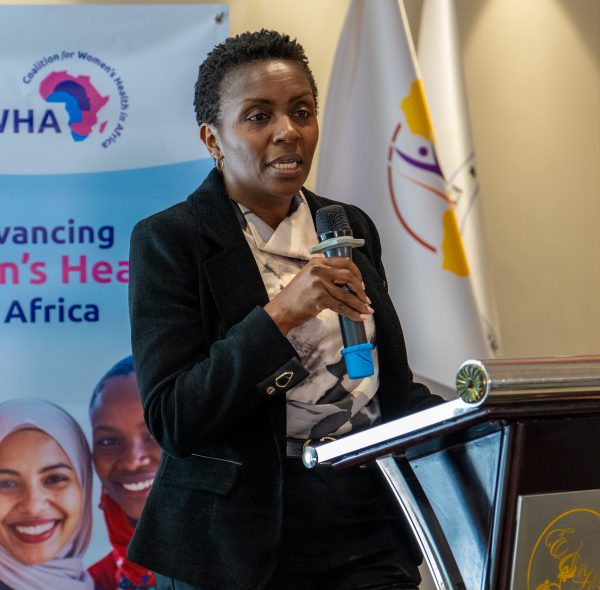
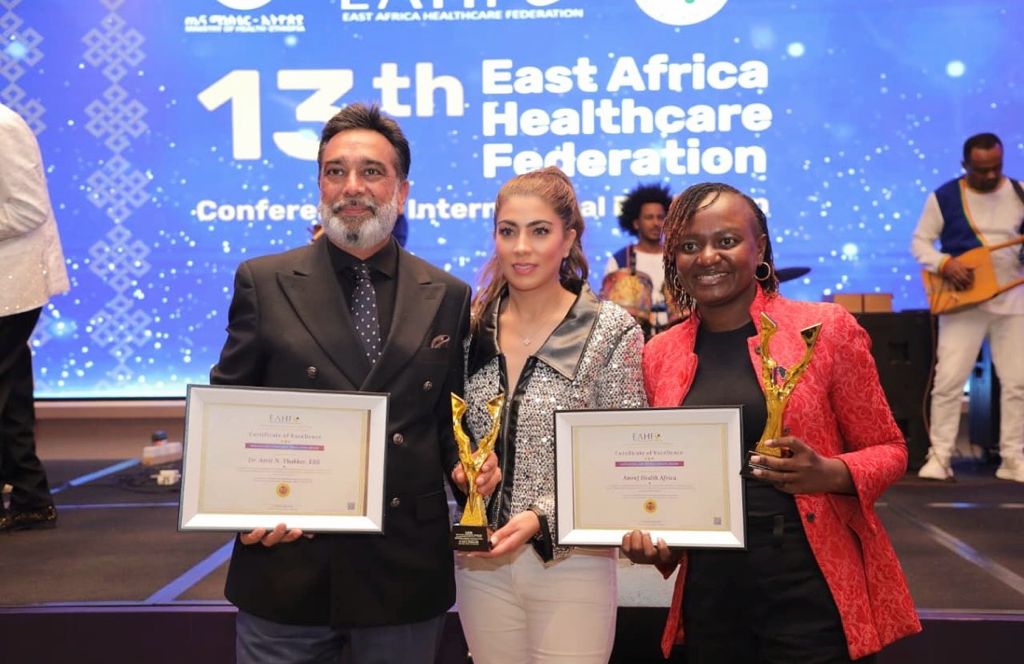
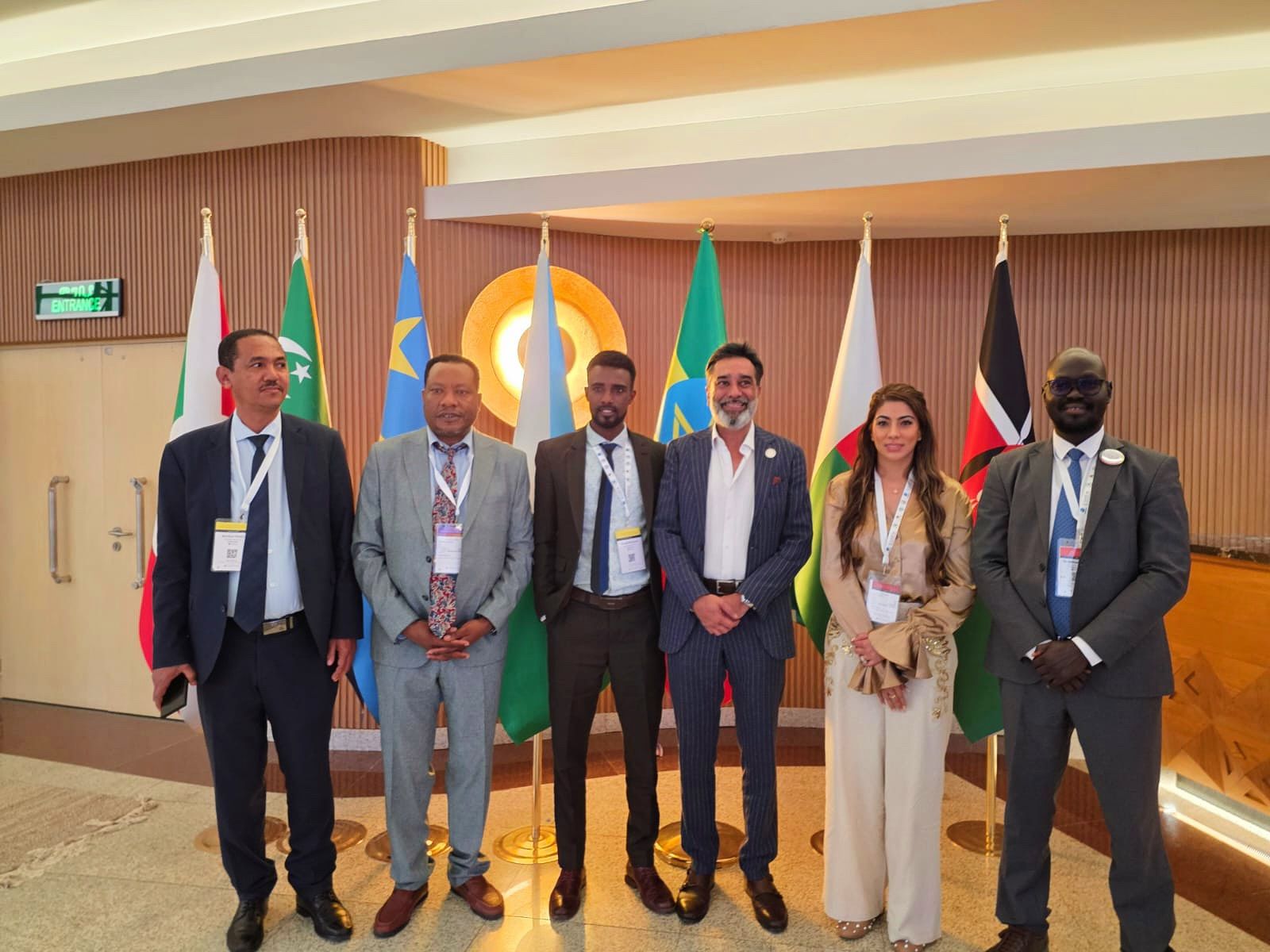
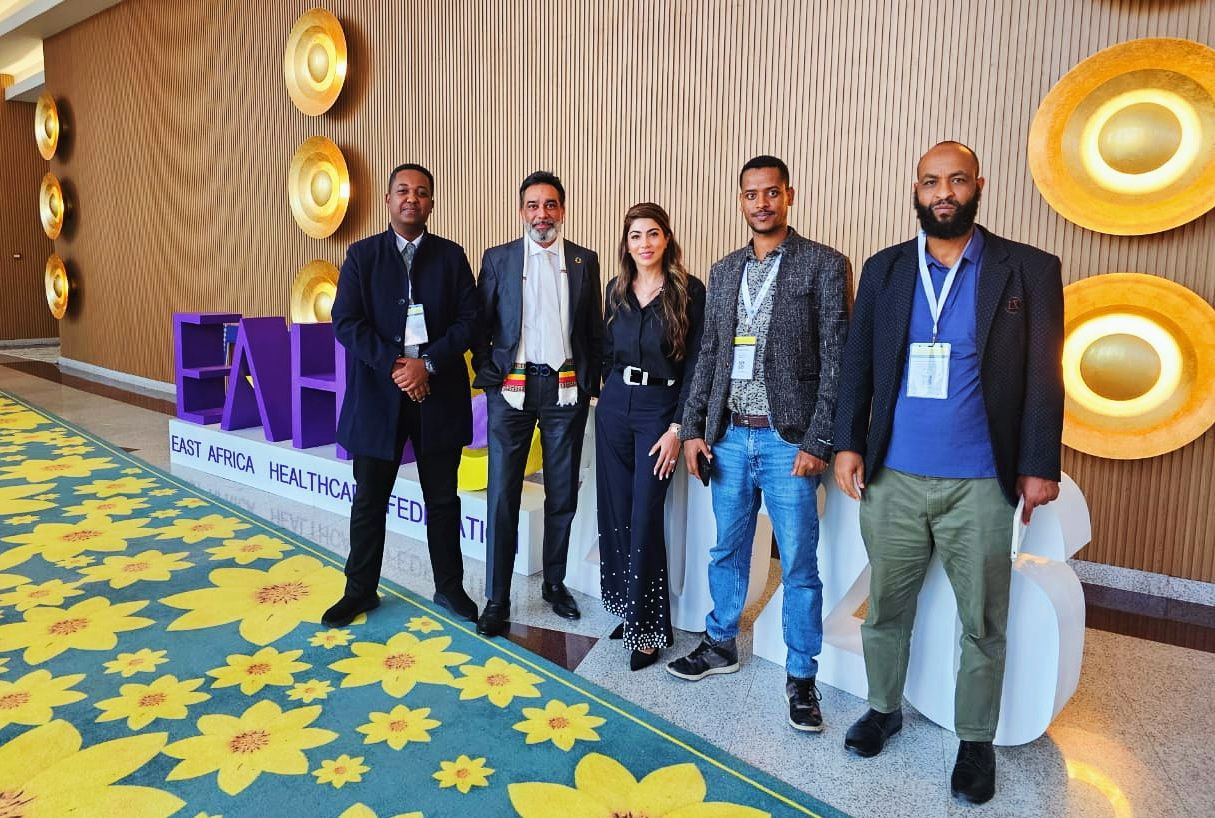
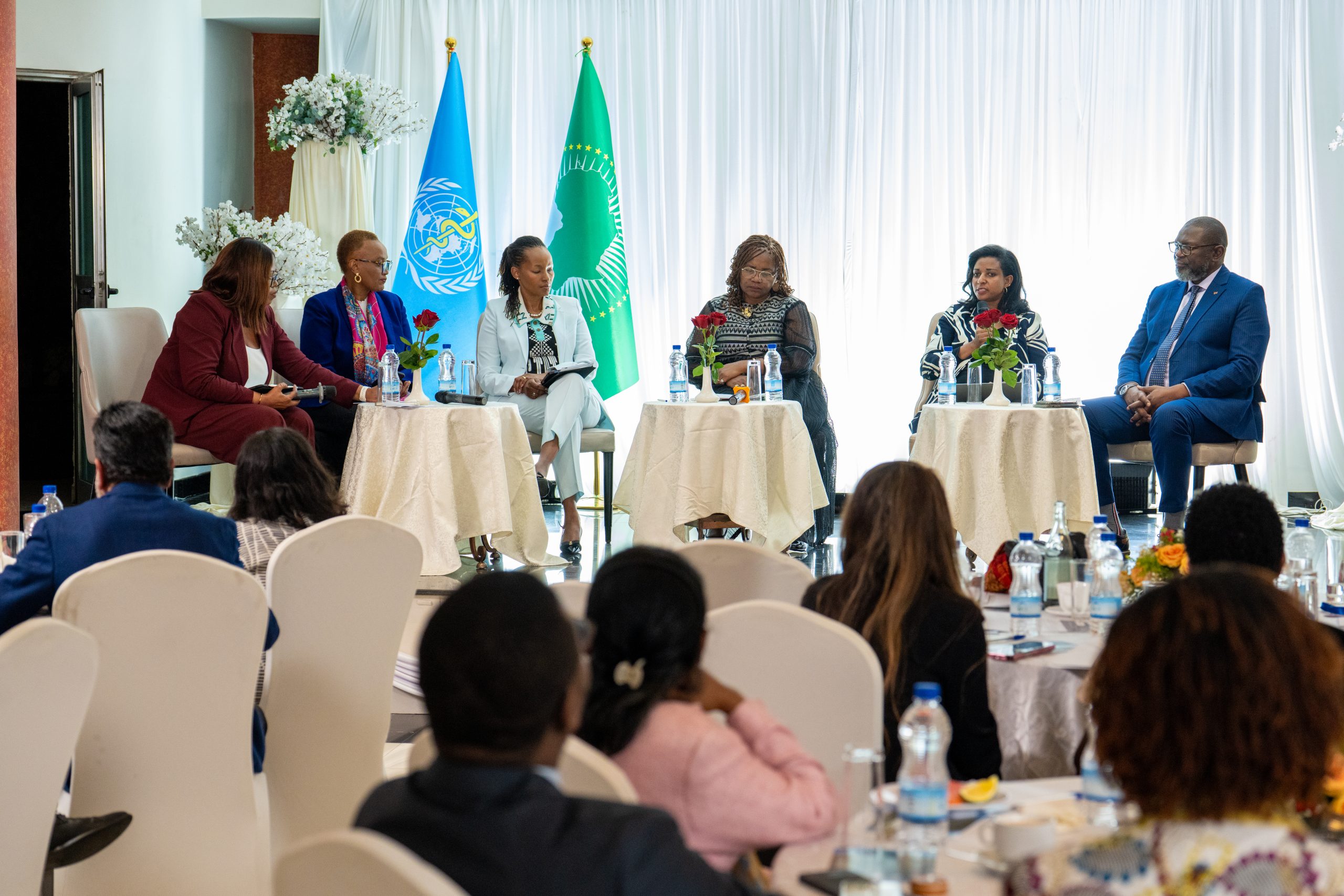
At the East Africa Healthcare Federation (EAHF) 2026, COWHA highlighted the need for deliberate and sustained investment in women’s health as a core component of resilient health systems.
Discussions on domestic resource mobilisation, local manufacturing and public-private partnerships provided an opportunity to explore how these mechanisms can help address persistent gaps in health financing, workforce capacity, supply chains and access to quality care for women and girls.
The discussions underscored that strengthening women’s health requires more than targeted interventions. It requires health systems that are adequately financed, resilient and equipped to deliver services at scale.
Engaging WHO AFRO on Regional Priorities
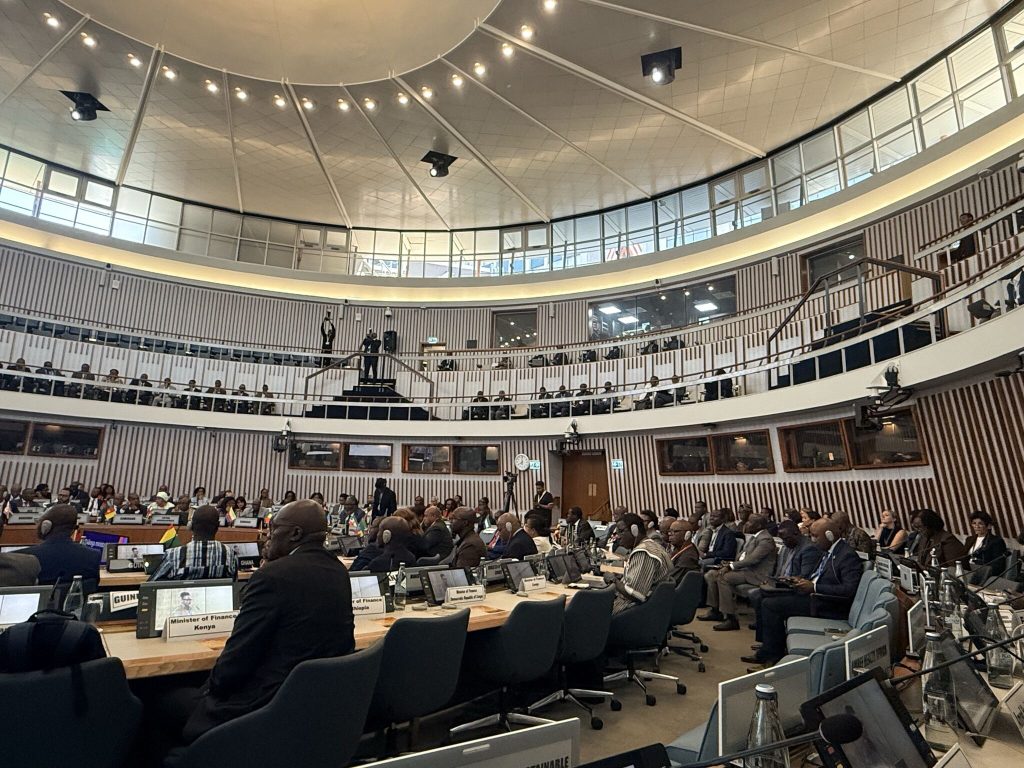
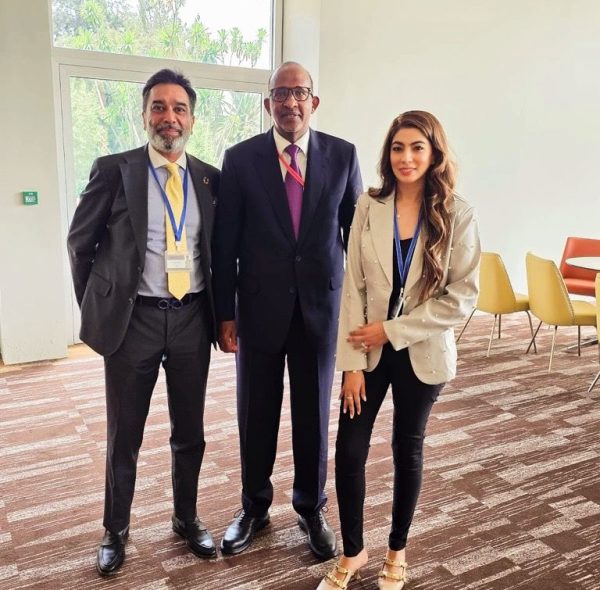
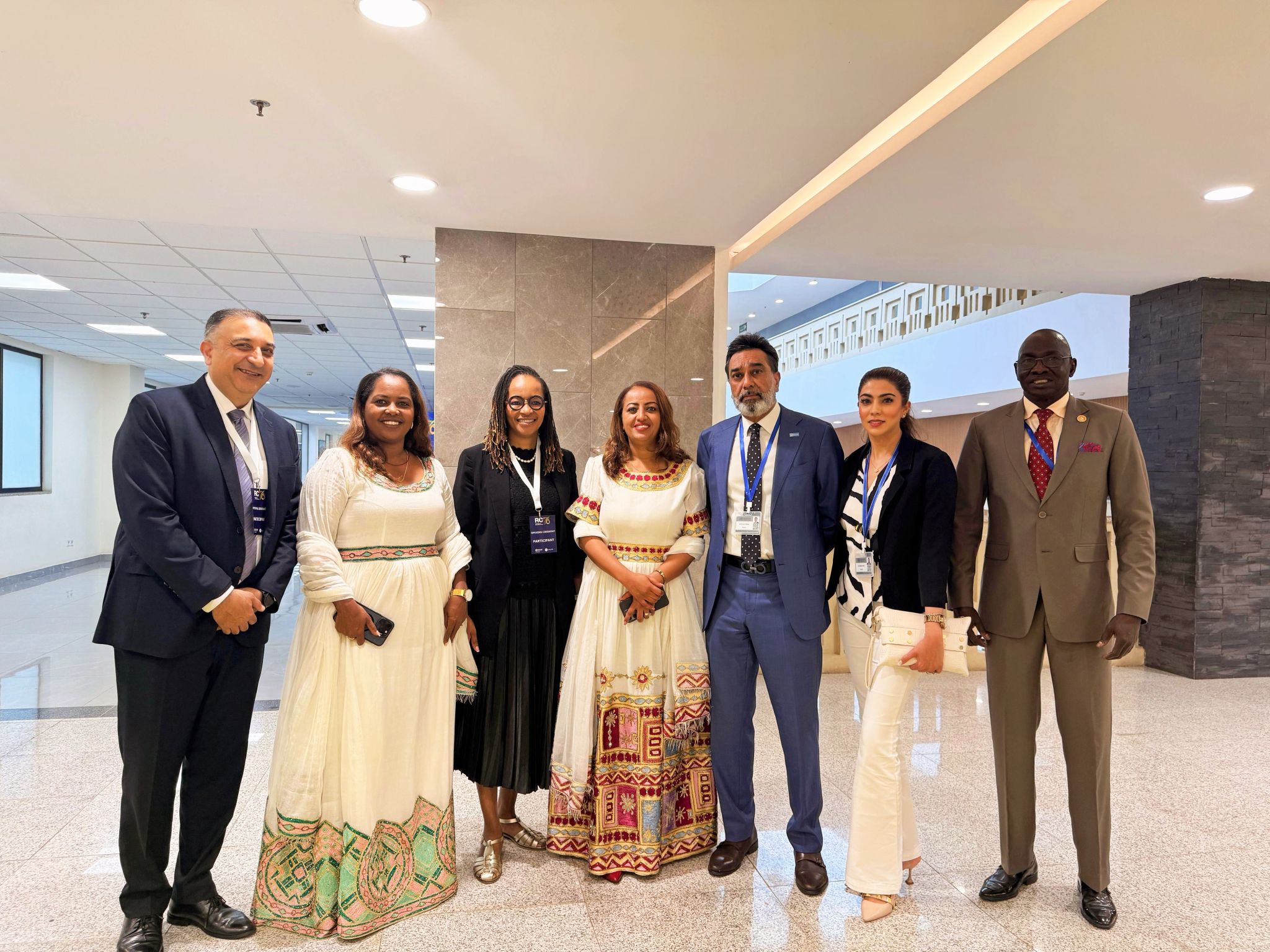
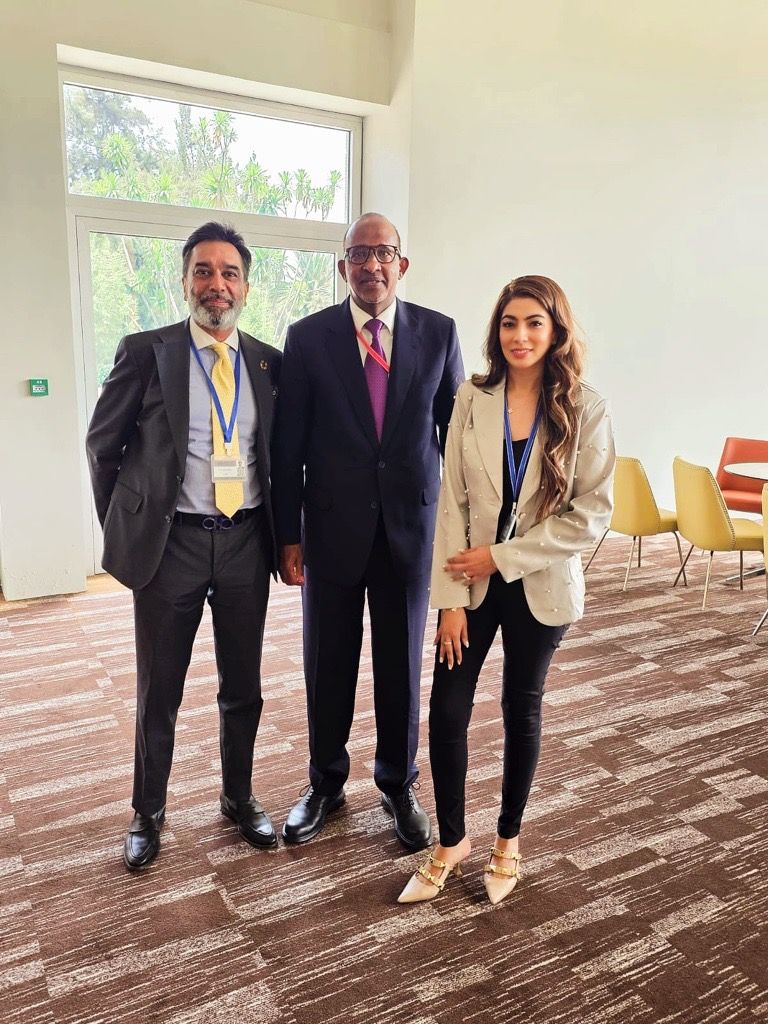
COWHA also engaged the WHO Regional Office for Africa (WHO AFRO) to explore opportunities to strengthen women’s health within regional health priorities.
The discussions covered emergency preparedness, regional health infrastructure, private-sector engagement and public-private partnerships, with a focus on translating regional commitments into measurable outcomes for women and girls.
A key area of discussion was the need for better-disaggregated data on women’s health outcomes within accountability frameworks. The engagement also highlighted the importance of stronger structures to align private-sector investment with defined health priorities, particularly gaps in prevention, screening and access to care.
The discussion reinforced the value of a more coordinated approach to private-sector participation in Africa’s health agenda.
Moving from Commitments to Action on Women’s Cancer
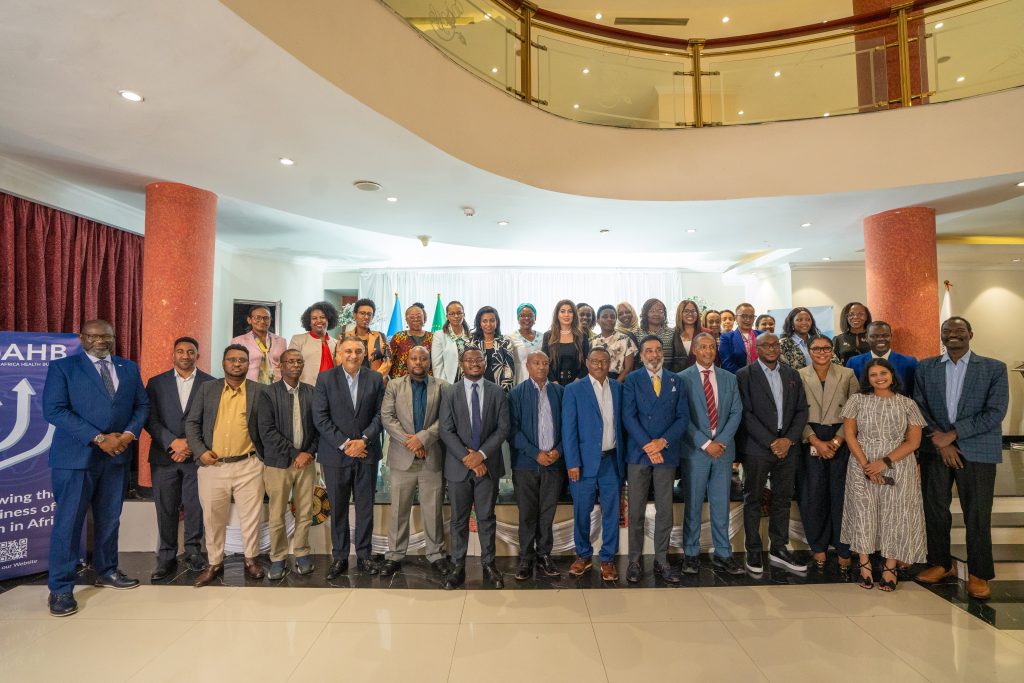
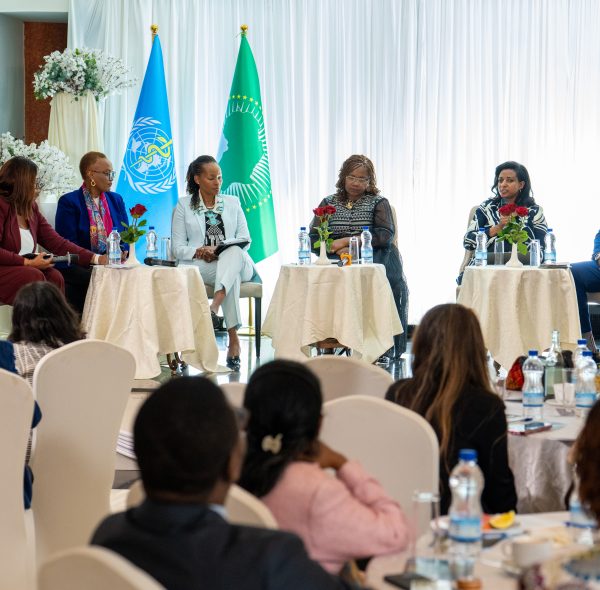
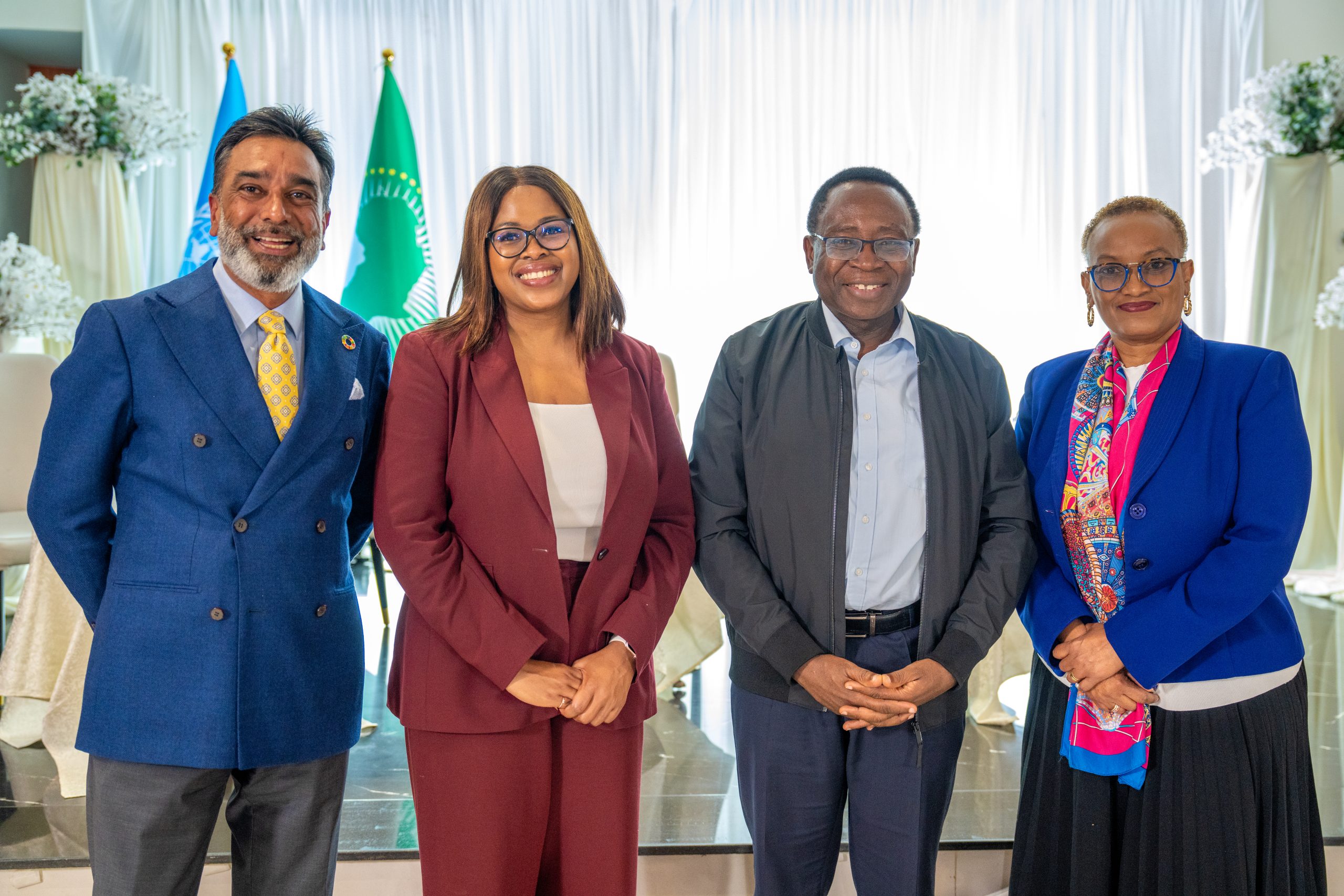
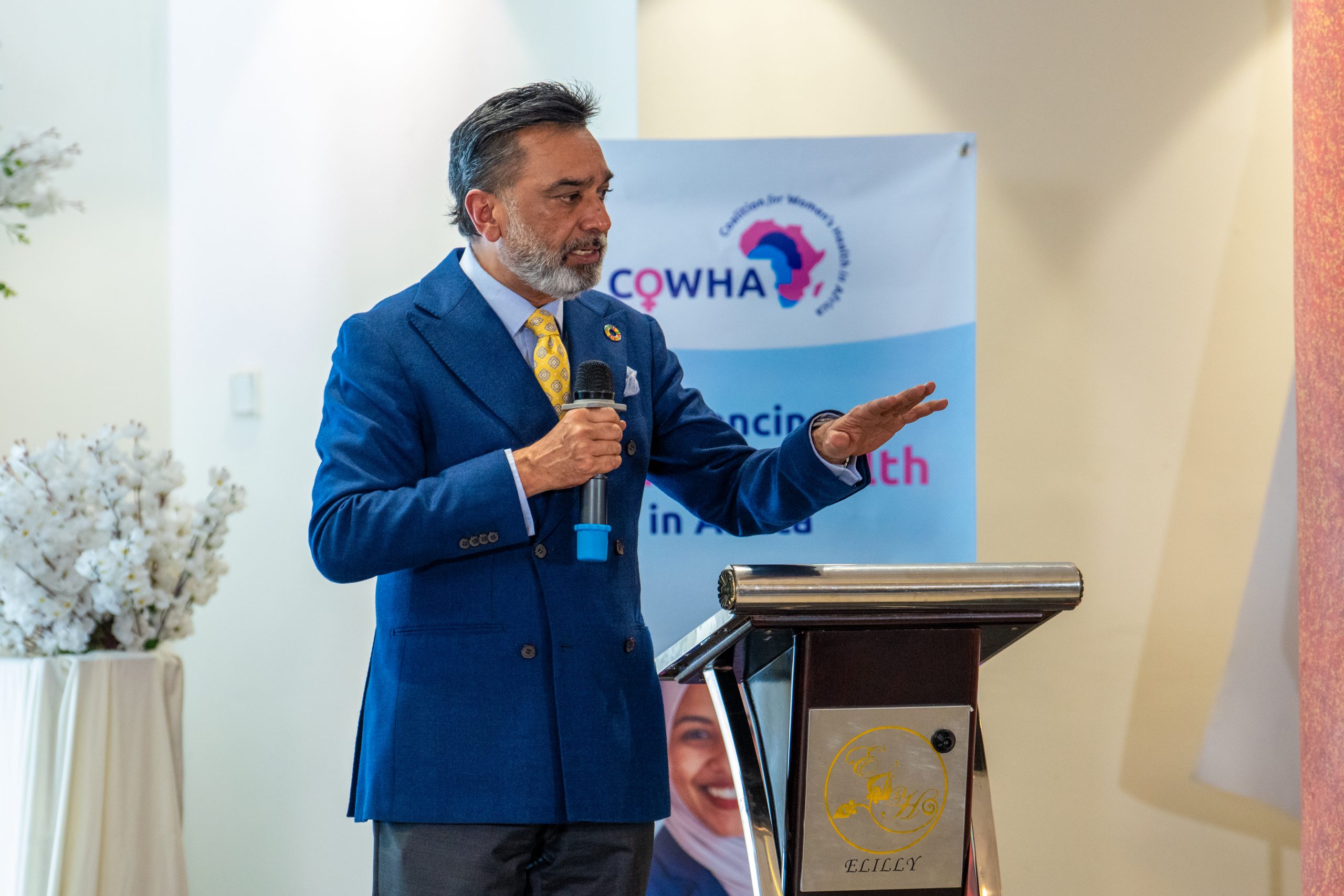
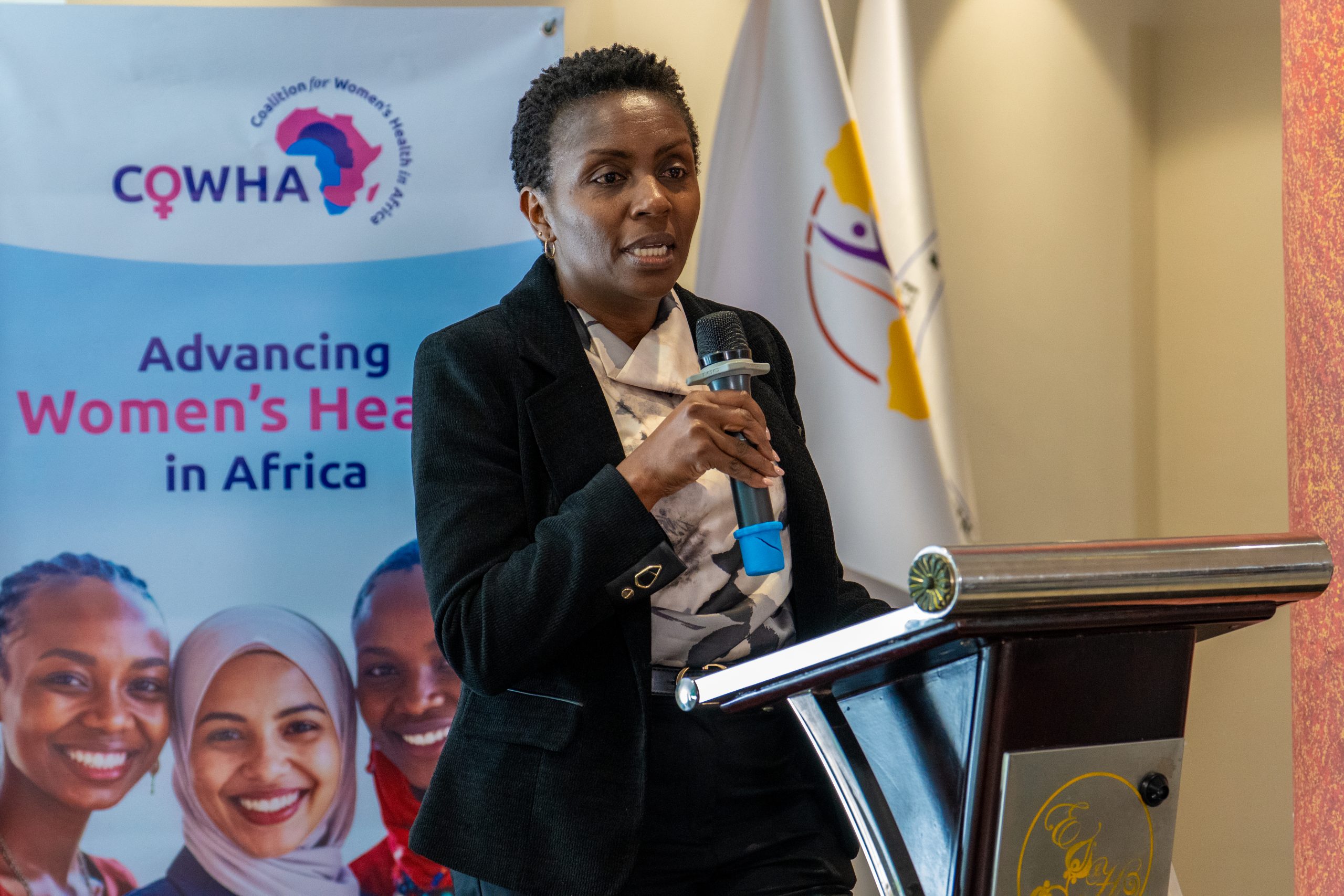
As part of its Addis Ababa engagements, COWHA convened a high-level roundtable focused on accelerating action on women’s cancer.
The roundtable brought together government leaders, global health organisations, development partners, industry and other stakeholders, including representatives from the African Medicines Agency, Gavi, UNFPA, UNICEF Office to the African Union, UNECA, EGPAF, VillageReach, Abbott, MSD and Hologic.
The urgency is clear. An estimated 117,000 women are diagnosed with cervical cancer every year in sub-Saharan Africa, while approximately 76,000 die from the disease. Screening coverage remains below 10%.
The discussions centred on four priority areas:
1. Scaling National Delivery
Participants explored how proven interventions can move beyond pilots to national scale, with government ownership and long-term partnerships identified as critical enablers.
Ethiopia provided an important example of national delivery, with HPV vaccination and screening being implemented across more than 1,600 facilities. Gavi also highlighted its ambition to reach 95 million girls with HPV vaccination over eight years.
2. Strengthening Sustainable Financing
The roundtable examined how domestic, external and blended financing can support cancer elimination across the continuum of care — from prevention and primary healthcare to screening, diagnosis and treatment.
UNECA highlighted its work to support the costing of cancer elimination and generate evidence that can help governments and Ministries of Finance make informed investment decisions.
3. Expanding Screening and Early Diagnosis
Participants explored opportunities to build on existing health platforms and infrastructure to expand access to screening and early diagnosis.
These included leveraging HIV platforms, laboratory networks, community health systems and HPV self-sampling to reach more women earlier and strengthen pathways to diagnosis and treatment.
4. Measuring Outcomes and Strengthening Accountability
A consistent message across the discussions was that innovation alone is not enough.
Regulation, financing, supply chains, infrastructure and delivery capacity must work together to ensure proven interventions reach women at scale.
The focus must ultimately be on outcomes: Are women being reached? Are they being screened and diagnosed early? Are those diagnosed receiving treatment? And are they surviving?
To strengthen continental accountability, COWHA is advocating for the development of a Women’s Cancer Scorecard at African Union level to track progress and strengthen accountability across countries.
What Comes Next
Across its engagements in Addis Ababa, COWHA reinforced a clear message: women’s health must be visible, measurable and adequately resourced within Africa’s broader health agenda.
The next step is to move from commitments to sustained action — strengthening health systems, mobilising investment, improving accountability and advancing equitable access to prevention, screening, diagnosis and treatment.
COWHA will continue to bring together governments, development partners, the private sector, civil society and other stakeholders to drive coordinated action and ensure that women’s health remains central to Africa’s health and development agenda.
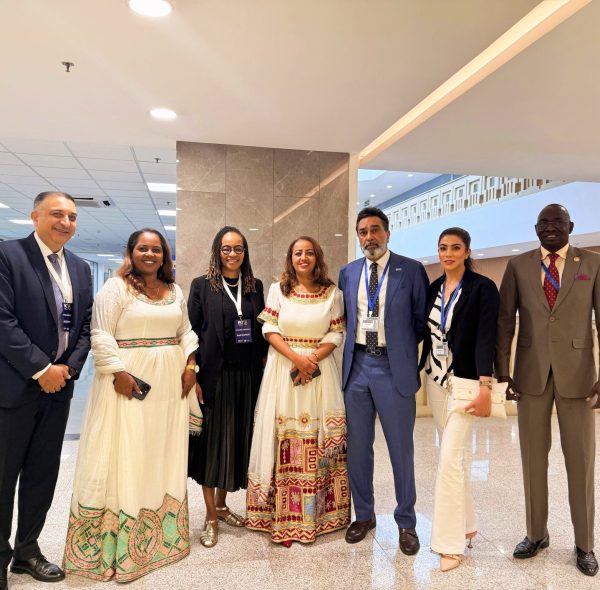
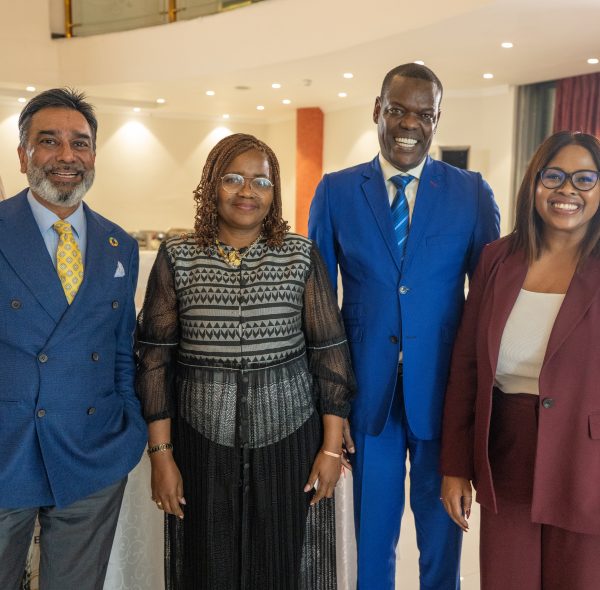
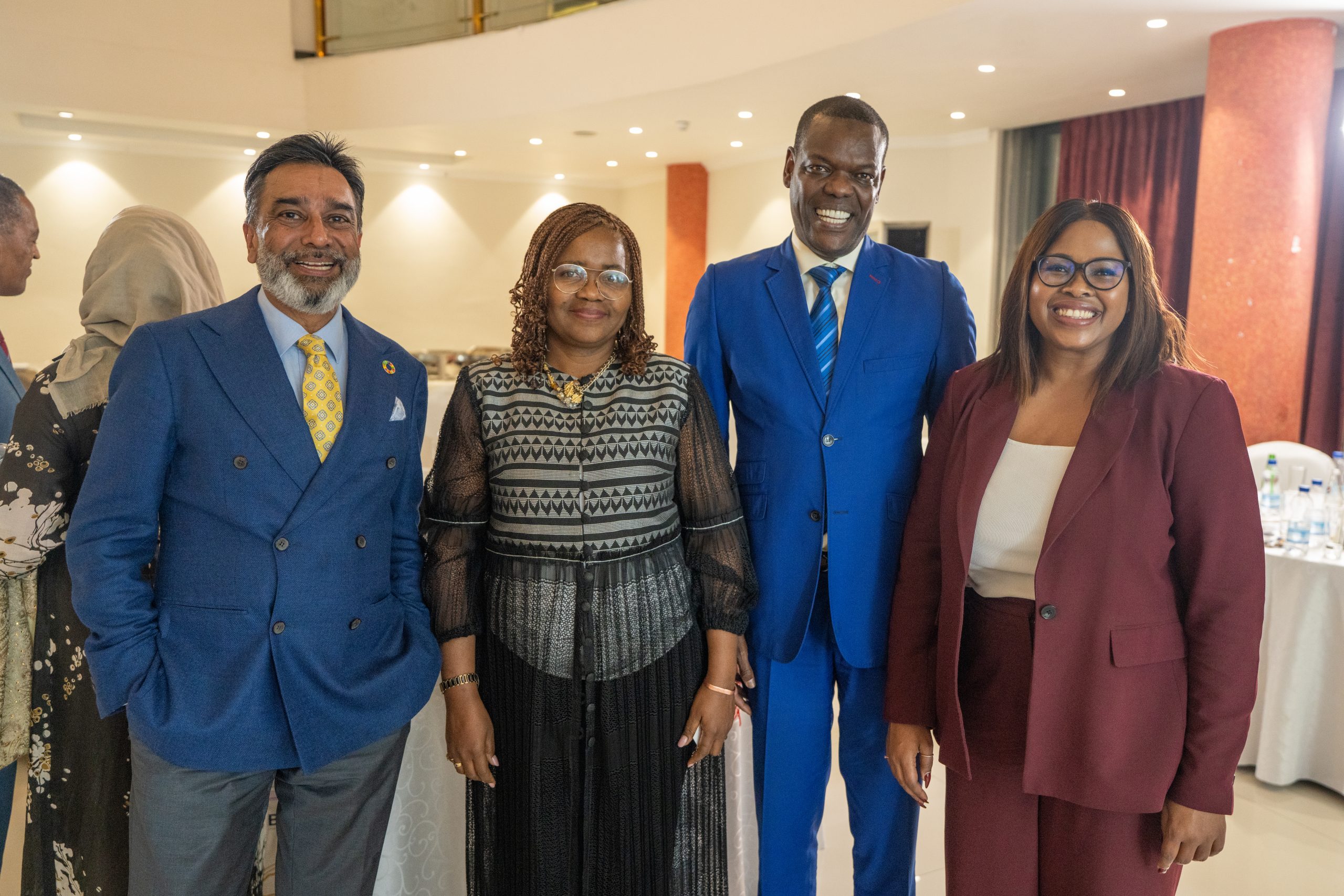
COWHA was represented at EAHF 2026 and during the WHO AFRO engagement by Dr. Amit Thakker, Natasha Gilani and Cheyenne Braganza.
Interested in partnering with COWHA or learning more about our work? Visit cowha.net.
has context menuhas context menu